
On this page
In a children’s home, a young person gets to know a whole team of adults. Their keyworker is the one who gets to know them best: the adult who keeps their plan, their progress and their voice at the centre of the team’s work. Done well, key working is one of the simplest and most powerful parts of residential care.
I’m Rhys Herbert, Managing Director of Silver Lining Care. This guide explains what key working is, what a keyworker does, what happens in a key-work session and why it matters so much for young people who have experienced trauma. It’s written for young people and families, social workers and placing authorities, and anyone thinking about working in a children’s home.
What is key working in a children’s home?
A keyworker is a named member of the care team who takes particular responsibility for one young person. They get to know that young person well, make sure their plan is followed and kept up to date, and act as a consistent point of contact for them, their family and the professionals around them.
Key working doesn’t mean one adult does everything. Every member of the team cares for every young person, on every shift. The keyworker’s job is to hold the bigger picture, so that nothing important slips through the gaps between shifts, rotas and meetings.
In Wales, every young person living in a children’s home must have a personal plan setting out how they’ll be supported and how they’ll work towards their personal outcomes. It must be reviewed at least every three months, and the young person, their placing authority and any representative must be involved. Key working is one of the main ways that plan stays alive from day to day, rather than sitting in a file. Our guide to how children’s homes in Wales are regulated explains more.
What does a keyworker do?
The detail varies from one young person to the next, but a keyworker usually:
- builds a trusting relationship, by being reliable, consistent and genuinely interested in who the young person is
- knows the plan inside out, including the young person’s personal plan, risk assessments and behaviour support strategies, and helps the rest of the team apply them consistently
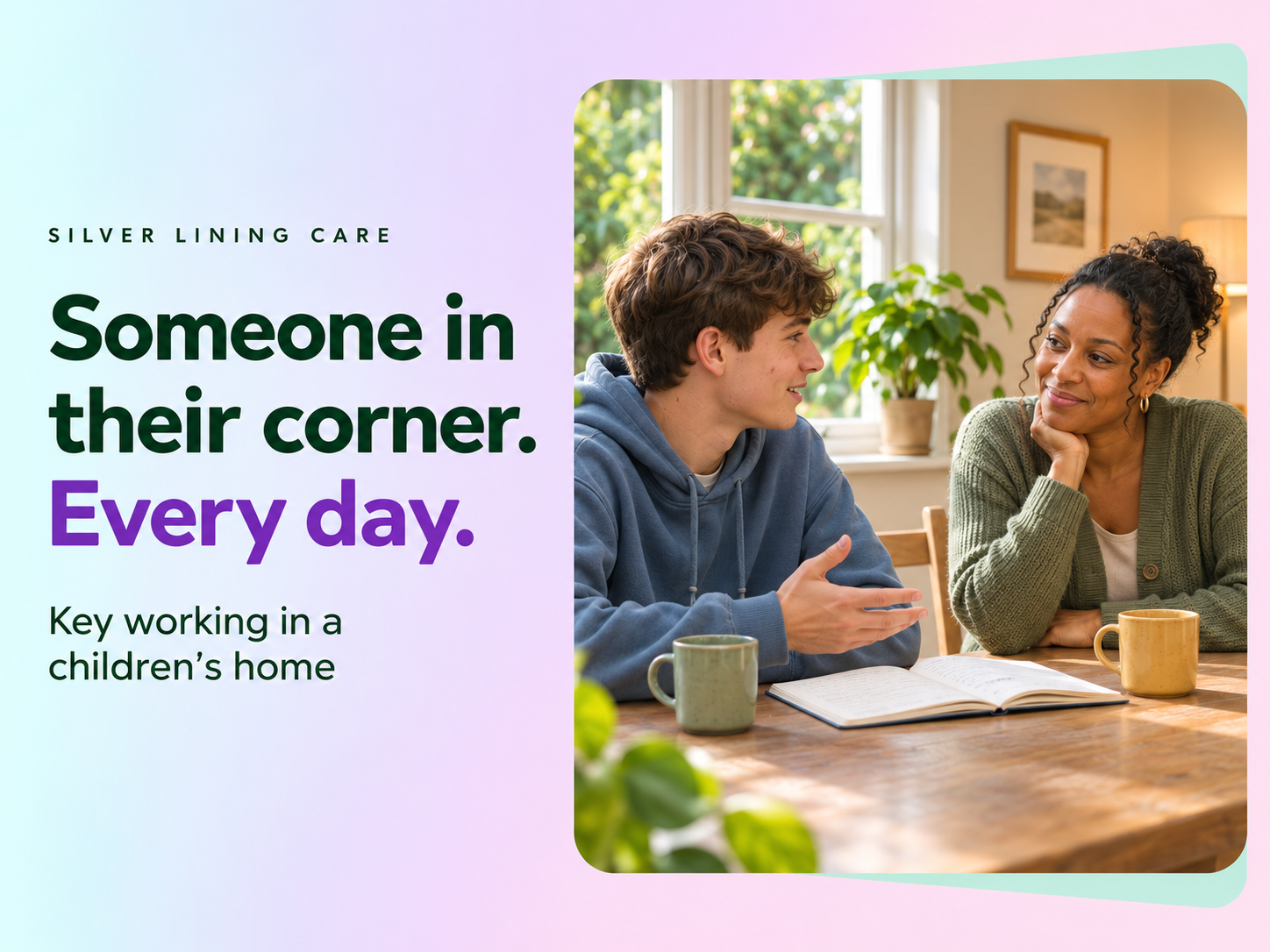
- leads regular key-work sessions: planned time to talk, reflect and work on goals together
- helps set and track goals, from settling at school to learning to cook a favourite meal
- speaks up for the young person, helping them prepare for reviews and meetings and making sure their views are heard
- links with the people around them, such as their social worker, school, health professionals and, where it’s part of their care plan, their family
- looks after the details that say “you matter”: birthdays, clothes that fit, a room that feels like theirs, appointments remembered
- keeps clear records of progress and concerns, so the whole team, and the young person’s plan, reflect what’s really going on
What happens in a key-work session?
A key-work session is planned one-to-one time between a young person and their keyworker. It doesn’t have to happen around a table. Some of the best conversations happen side by side: on a walk, in the car, while baking or over a game of pool. Many young people find it easier to talk when there’s something else to do and no pressure to make eye contact.
Depending on the young person and what’s happening in their life, a session might cover:
- how they’re feeling, and what’s gone well or been hard lately
- progress towards their goals, and what they’d like to work on next
- school or college, friendships and hobbies
- preparing for a review, a change or a family visit
- direct work on a particular topic, such as staying safe online, healthy relationships or managing big feelings
- independence skills, such as budgeting, cooking or using public transport
Sessions are shaped around the young person. Their wishes and feelings feed into their plan, and what’s agreed gets followed up, because a keyworker who remembers what was said, and acts on it, is a keyworker who is trusted.
Young people have been clear with us about what they want from the adults who care for them:
“I want a staff member that can speak with me rather than at me.”
One of our young peopleWhy key working matters for young people who’ve experienced trauma
Many young people come into residential care having learned that adults can’t be relied on. They may have lived with broken promises, frequent moves and relationships that ended suddenly. Trust doesn’t come back through words. It comes back through small, repeated experiences of an adult who turns up, keeps their word and stays calm when things get hard.
That’s why key working sits at the heart of our approach. The Trauma Recovery Model starts with helping young people feel safe through consistent routines and relationships, and PACE (playfulness, acceptance, curiosity and empathy) gives keyworkers a way to stay connected, even in difficult moments. Over time, a keyworker can become a secure base: someone a young person can come back to, test and rely on as they start to explore and grow.
It’s also why staff stability matters so much. A keyworker relationship needs time, and every change of keyworker means starting again.
How keyworkers are chosen
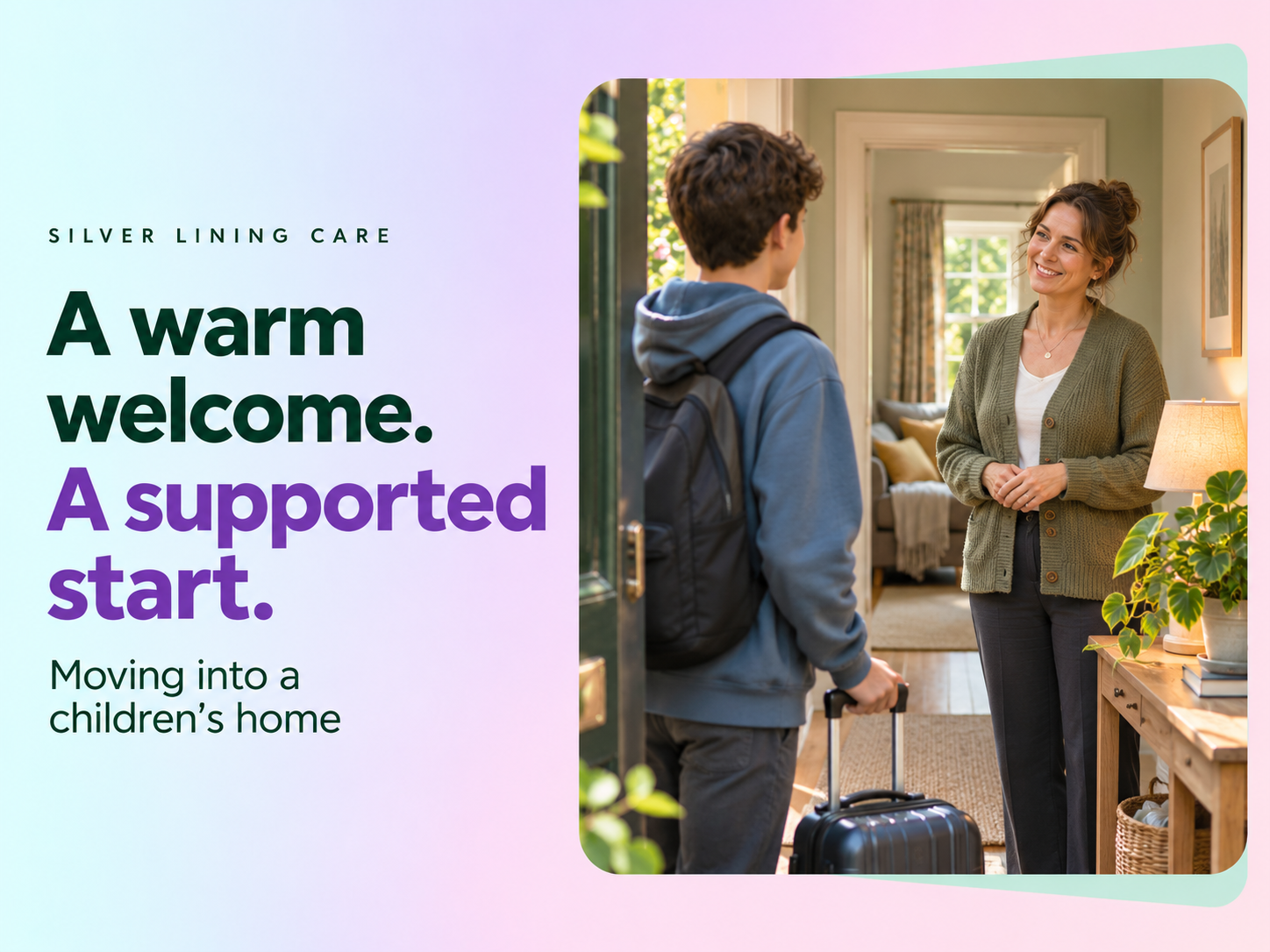
Keyworkers are assigned as part of planning a young person’s move, and introduced either during the transition or on the young person’s first day, as our guide to moving into a children’s home explains. In general, a good match takes account of the young person’s needs and interests, and what has helped them in the past.
Relationships don’t always click, and that’s nobody’s fault. Young people in our homes can ask for a different keyworker at any time, and we take that request seriously.
Key working with families and professionals
A keyworker is often the person who knows a young person’s day-to-day life best, so they’re a natural link with the people around them. That can mean:
- sharing updates and concerns with the young person’s social worker, and contributing to reviews
- working with school, so teachers know how best to support the young person each day (our guide to supporting the education of children in care in Wales explains more)
- supporting family time, such as visits, phone or video calls, where it’s appropriate and part of the care plan agreed with the social worker
- making sure health appointments, assessments and therapy fit around the young person’s life
Young people also have a right to independent advocacy. In Wales, children who become looked after should receive an active offer of advocacy, so they know how to get an independent advocate to help them be heard. A keyworker can help a young person understand what an advocate does and how to get in touch with one.
For social workers: what to expect from a keyworker
A named point of contact who knows the young person well, regular updates on their progress and wellbeing, timely information about incidents and concerns, and someone who can help the young person share their views ahead of reviews and meetings.
What makes a good keyworker?
Training matters, but the qualities that make a good keyworker are mostly human ones:
- Reliability: doing what you said you would, when you said you would
- Curiosity: wondering what’s behind a behaviour, rather than judging it
- Calm: staying regulated when a young person isn’t
- Patience: understanding that trust can take months, and that setbacks are part of progress
- Playfulness: sharing fun, interests and laughter, not just plans and targets
- Advocacy: being willing to push for what a young person needs
Our staff are supported to develop these skills through induction, supervision and specialist training from our own training company, SLC Training.
Key working and preparing for the future
As young people get older, key work turns more and more towards independence: cooking, budgeting, managing appointments, travelling on their own and planning for education, training or work. The aim is for the progress a young person makes with us to last long after they’ve moved on.
Frequently asked questions about key working
What’s the difference between a keyworker and a social worker?
A social worker is employed by the local authority and is responsible for the young person’s care plan and for decisions about their care. A keyworker is part of the children’s home team and supports the young person day to day, working closely with the social worker.
How often do key-work sessions happen?
Regularly, and in a way that suits the young person. Alongside planned sessions, a lot of key work happens in everyday moments, such as a chat in the car or while cooking tea.
Does a keyworker work every shift?
No. Children’s homes run on a rota, so the whole team cares for every young person. That’s why good handovers, consistent approaches and clear records matter so much.
Can a young person change their keyworker?
Yes. In our homes, young people can ask for a different keyworker at any time.
Is key working part of a residential support worker’s job?
Yes. Building relationships with young people is central to the role, and key working is one of the main ways that happens. You don’t need previous care experience to join us: we provide full training and fund your qualification. Read what a residential support worker does to find out more.
Relationships that make a difference
If you’re a social worker or placing authority looking for a placement in South Wales, get in touch or read more about our homes. If you’d like to be the trusted adult a young person needs, see our current vacancies.