

On this page
For many families, Christmas is about tradition, presents and being together. For a child in care, it can bring all of that, along with reminders of who isn’t there, memories of Christmases that went wrong and weeks of disrupted routine. With thought and planning, it can still be a season of good memories.
I’m Rhys Herbert, Managing Director of Silver Lining Care. As with Bonfire Night, the festive season can ask a lot of children who’ve experienced trauma, and of the adults who care for them. This guide explains why Christmas can be hard for children in care and shares practical, trauma-informed ways to plan for it, whether you work in residential care, you’re a foster carer, or you’re supporting a young person through the holidays.
Why Christmas can be hard for children in care
Christmas is built around family, and for a child who is living away from theirs, that can hurt. Even young people who are settled and happy where they live can find their feelings stirred up in December.
- Loss and separation: missing parents, brothers and sisters, grandparents or pets, or grieving for the family life they hoped for
- Difficult memories: some children’s past Christmases involved conflict, alcohol, money worries, broken promises or being let down
- Disrupted routine: school finishes, timetables change, there are more visitors and the days lose their usual shape
- Sensory overload: flashing lights, music, crowded shops and noisy parties can be too much, especially for young people who are autistic or have sensory processing differences
- Comparison: friends talking about family plans and presents can make a young person feel different
- Mixed feelings about gifts: some young people feel they don’t deserve presents, worry whether a gift from family will arrive, or find it hard to accept kindness
- Uncertainty: not knowing when they’ll see family, or whether plans will go ahead
Distress around Christmas might look like irritability, withdrawal, poor sleep, rejecting presents or plans, or behaviour that pushes adults away. As at any time of year, it helps to see behaviour as communication: often, a young person is telling you that something feels unsafe or overwhelming.
It’s also worth remembering that not every young person celebrates Christmas. Respecting a young person’s faith, culture and family traditions is part of respecting who they are.
Planning ahead: November and early December
Most of the work happens well before 25 December. Every young person is different, so planning starts with what the team already knows from their plan and, just as importantly, with asking them.
Ask what Christmas means to them
What do they enjoy? What do they find hard? Are there traditions they’d like to keep, or things they’d rather avoid? Some young people want a big, traditional Christmas. Others would much prefer a quiet one. Their answers shape the plan.
Make the holidays visible
A simple calendar of the holidays can make a big difference: when school finishes, when family time is planned, which days have outings and which are quiet days at home. Knowing what’s coming takes away a lot of the uncertainty.
Plan family time carefully
Where it’s appropriate and part of the young person’s care plan, family time over Christmas is arranged with their social worker. That might be a visit, a phone call or a video call. Preparing the young person for what will happen helps, and so does having a plan B in case contact is cancelled or doesn’t go as hoped.
Keep familiar faces around
Holiday rotas matter. Where possible, young people should be with adults they know and trust, and everyone on shift should know the plan. It’s another reason staff stability matters so much in children’s homes.
Talk to school
End-of-term parties, performances and non-uniform days can be exciting and overwhelming in equal measure. Letting school know if a young person is finding December hard helps them plan too.
Making home feel festive, without overwhelming anyone
- Decorate together: involve young people in choosing and putting up decorations, including in their own rooms if they’d like to
- Keep a calm space: make sure there’s somewhere to retreat to, away from flashing lights and music
- Plan the food together: Christmas dinner doesn’t have to be traditional. Including a young person’s favourite foods, and letting them help cook, can mean more than turkey and sprouts
- Honour old traditions and build new ones: where it’s safe, keeping a tradition from a young person’s past can be comforting. New traditions, such as a film night, a winter walk or a special breakfast, help a young person feel part of the home
Thinking carefully about gifts
Thoughtful presents say “we know you, and you matter”. A wish list helps, and so does thinking about what will mean something to that young person rather than what costs the most. In homes where more than one young person lives, fairness matters too.
Presents from family are handled in line with the young person’s care plan. Staff should also stay alert to safeguarding: unexplained gifts, new phones, clothes or money can be a sign that someone is trying to groom or exploit a young person. Our guide to child exploitation and children in care explains what to look out for.
On Christmas Day
A good Christmas Day in a children’s home is usually a calm one. Things that help include:
- keeping the shape of the day familiar, with regular mealtimes and the usual bedtime routine
- offering choices: a lie-in, when to open presents, whether to join in a game or have some time alone
- keeping demands low, and not expecting a young person to be happy all day
- making room for mixed feelings. It’s okay to feel sad, or angry, on Christmas Day. Staying close and calm, and naming the feeling, helps a young person feel understood, and PACE is a helpful way to stay connected in moments like these
- supporting calls or messages with family, where that’s part of the plan
A quick Christmas checklist
Ask young people what Christmas means to them. Share a holiday calendar. Plan family time with social workers, with a plan B. Keep familiar adults on shift. Keep a calm space. Plan food and decorations together. Stay alert to unexplained gifts. Keep routines on the day. Make room for mixed feelings.
After Christmas: New Year and January
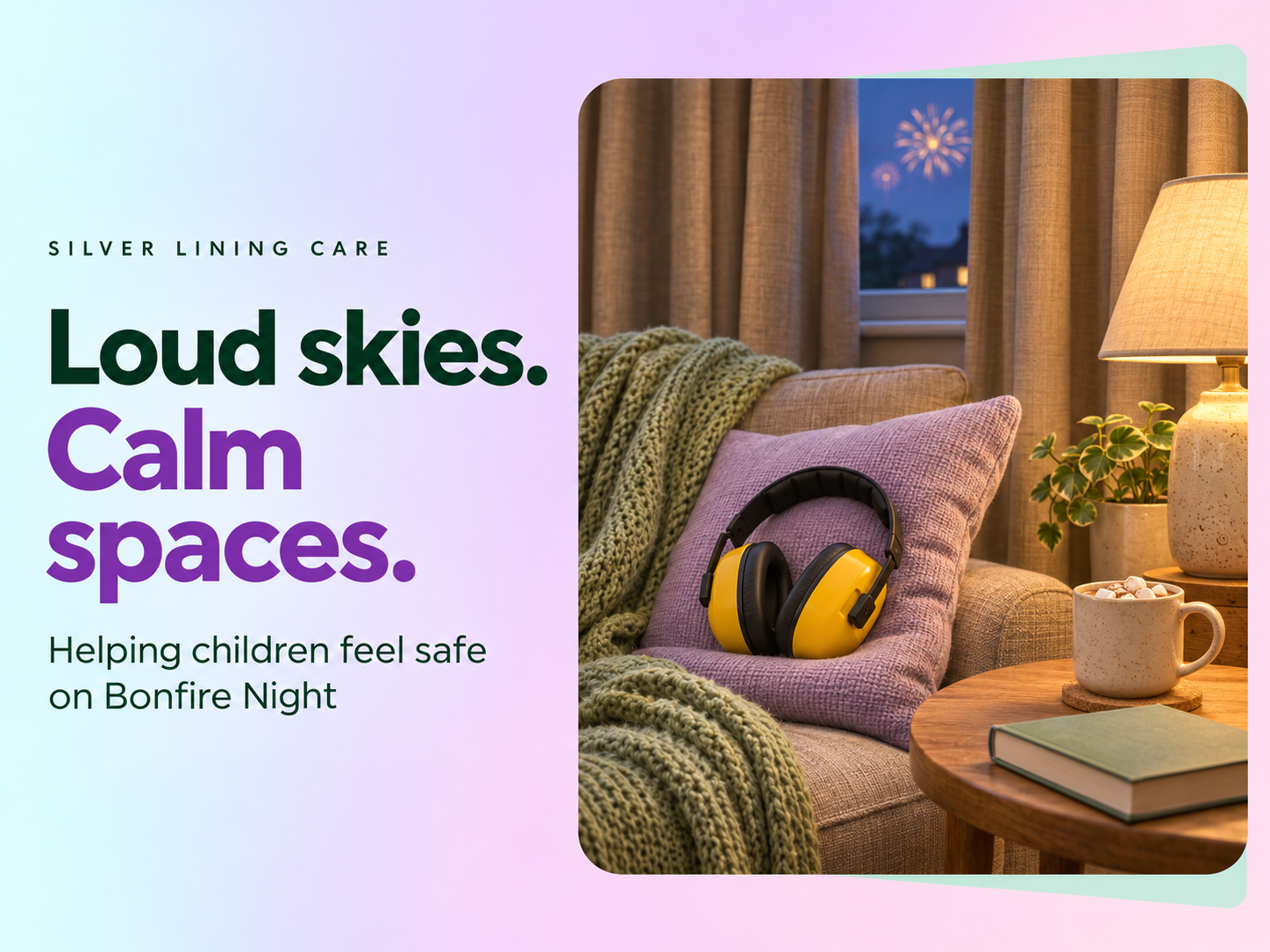
The days after Christmas can feel flat, and New Year’s Eve brings fireworks again. In England and Wales, fireworks can be set off until 1am on New Year’s Eve, so the same planning that helps on Bonfire Night, such as closed curtains, music, ear defenders and a calm adult nearby, can help again.
Going back to school in January is another transition. Easing back into the usual routine in the last few days of the holidays makes it easier. Once things are calm, talk with the young person about what went well and what was hard, and record what you learn in their plan, ready for next year.
Looking after the team at Christmas
Working over Christmas means time away from staff’s own families, and supporting young people through a hard season can be emotionally demanding. Sharing holiday rotas early and fairly, recognising the people who work the big days, and making sure supervision and reflective practice carry on through the holidays all help. Adults who feel supported are far better able to offer young people the calm and warmth they need.
Frequently asked questions about Christmas in a children’s home
Do children in care see their families at Christmas?
Where it’s appropriate and in the child’s best interests, yes. Family time might be a visit, a phone call or a video call. The type and frequency are set out in the child’s care plan and guided by their social worker.
Do children in children’s homes get Christmas presents?
Yes. Presents are chosen with each young person in mind, often from a wish list, so they feel known and cared for.
What if a young person doesn’t celebrate Christmas?
Their faith, culture and wishes come first. They shouldn’t be expected to join in, and the festivals and traditions that matter to them should be marked and respected too.
Why might a child in care behave differently at Christmas?
Christmas can stir up feelings of loss, difficult memories and uncertainty, and the change in routine adds to it. Changes in behaviour are often signs of worry or overwhelm, and respond best to calm, patient adults.
A season of good memories
Thinking ahead for children, at Christmas and every other day of the year, is at the heart of good residential care. If you’d like to work in children’s residential care, see our current vacancies. If you’re a social worker or placing authority looking for a placement in South Wales, get in touch.